Across South Dakota, health care professionals are hearing a powerful message about substance use disorder, stigma, and the importance of compassionate care. South Dakota Association of Healthcare Organization’s (SDAHO) Clinical Improvement Consultant, Loretta Bryan, BSN, RN, CPHQ, and recovery advocate Megan Cantone have been traveling to hospitals and conferences throughout the state, leading impactful presentations on substance use disorders with a special emphasis on reducing stigma. Their sessions focus on practical resources, prevention strategies, and guidance on how to use compassionate, nonjudgmental language when speaking with individuals experiencing substance use disorders.
Cantone, who has been in long-term recovery for six years from an opioid use disorder (OUD), shares her personal story during each presentation. Her testimony sheds light on the barriers many individuals face when seeking care. “It was in college when I was first introduced to OxyContin, and it had a significant impact on my life,” Cantone said. “I soon found myself struggling with an opioid use disorder.”
Growing up in a small South Dakota community, Cantone said her experience highlights that OUD can affect anyone, anywhere. She described the stigma she faced when seeking help while living in Colorado, where negative encounters with health care providers left her feeling judged and discouraged.
“We tell ourselves stigma doesn’t exist in health care, but it does,” Cantone said. “It doesn’t have to be blatant to leave a mark — even quiet forms of stigma can hurt deeply. I just want to be treated with the same dignity and care as anyone else.”
Cantone noted that OUD is a recognized illness affecting people across the state, and stigma often keeps individuals from reaching out for help. Her story serves as a reminder to health care providers of the power their words and actions carry.
Cantone also shares stories of experiencing stigma even after entering recovery, helping health care teams recognize how unconscious bias can continue to affect patient care.
“I came into the hospital during some of my lowest moments and needed compassion. Unfortunately, I didn’t always get that,” Cantone said. “I hope by sharing my story, things will change for the next person who comes through those doors. If you don’t know what to say, even just ‘I’m glad you’re here’ can make a difference.”
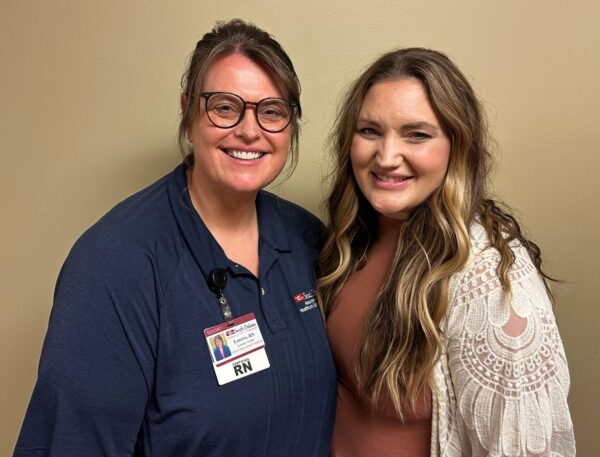
Bryan and Cantone offer their presentations at both large conferences and individual health care facilities. Their work is supported by the South Dakota Department of Health’s Overdose Data to Action grant, meaning there is no cost to facilities interested in scheduling a training.
Feedback from medical staff who have attended the presentations has been overwhelmingly positive:
- “It was one of the most beneficial things we’ve done—hearing directly from a patient who’s been through this.”
- “I have an increased sensitivity to those who might be struggling with OUD and how to offer them a safe place to share.”
- “Hearing someone talk about their experiences with providers is a good reminder not to let your heart get hardened to the struggles of others.”
In addition to stigma reduction, Bryan provides technical assistance to health care facilities across the state. Her work includes supporting the implementation of evidence-based opioid interventions, including OUD screening, pain management best practices, treatment referrals, and collaborating with subject matter experts to educate on medications for opioid use disorder (MOUD). Many of her resources are based on the Let’s Be Clear website including the ED Provider Toolkit and SDAHO’s Rural Health Initiative Opioid Stewardship page.
Health care teams interested in scheduling a presentation or learning more about technical assistance can contact Loretta Bryan at loretta.bryan@sdaho.org.
“We want every health care professional to walk away feeling more confident, informed, and compassionate,” Bryan said. “Small changes in language and approach can make a life-changing difference for patients.”