


The South Dakota Association of Healthcare Organizations (SDAHO) is proud to recognize Journey Construction, a 100th Anniversary Heritage Sponsor and trusted partner in healthcare construction.
For Journey Construction, that partnership includes decades of experience helping healthcare organizations plan, renovate, expand and build facilities while keeping an important priority at the center of the process: allowing healthcare leaders and staff to remain focused on patient care.
Specialized Experience in Healthcare Construction
Healthcare construction is different from traditional commercial construction. Decisions made throughout a project can directly affect patient care, staff workflows, regulatory compliance, infrastructure, safety, and future growth.
With more than 40 years of healthcare construction experience, Journey has developed expertise in navigating those complexities. Its healthcare portfolio includes critical access hospitals, regional health systems, clinics, specialty care environments, long-term care facilities, active-facility renovations, expansions and replacement hospitals.
Journey’s healthcare portfolio includes
- More than 1,700 healthcare projects completed
- 9 critical access hospitals
- 18 rural healthcare projects
- 21 large healthcare projects
- 7 long-term care facilities
- Nearly half a billion dollars in healthcare construction over the past five years
That breadth of experience allows Journey to anticipate challenges and plan around the realities of an active healthcare environment—from infection prevention and utility coordination to patient and staff safety, project phasing, commissioning and occupancy.
Rural Healthcare Experience in Action
Journey’s rural healthcare portfolio spans replacement hospitals, healthcare expansions, active facility renovations, and integrated care campuses. While each organization has unique goals, a common thread runs through every project: creating facilities that strengthen healthcare access while supporting the long-term needs of the community.
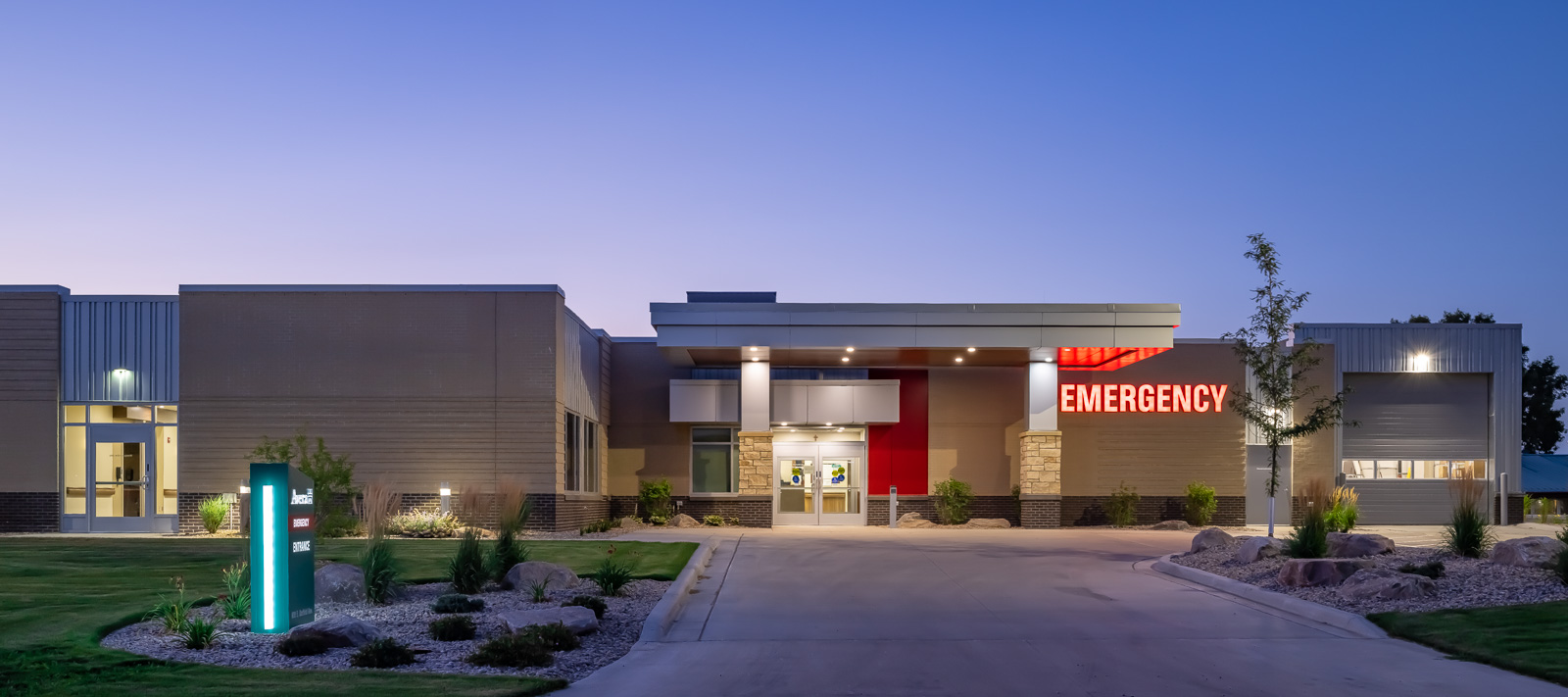
That includes projects such as Avera Missouri River Health Center in Gettysburg, where a replacement Critical Access Hospital helped provide the community and surrounding region with a modern facility designed to support 24/7 emergency care, primary care, and other essential healthcare services close to home.
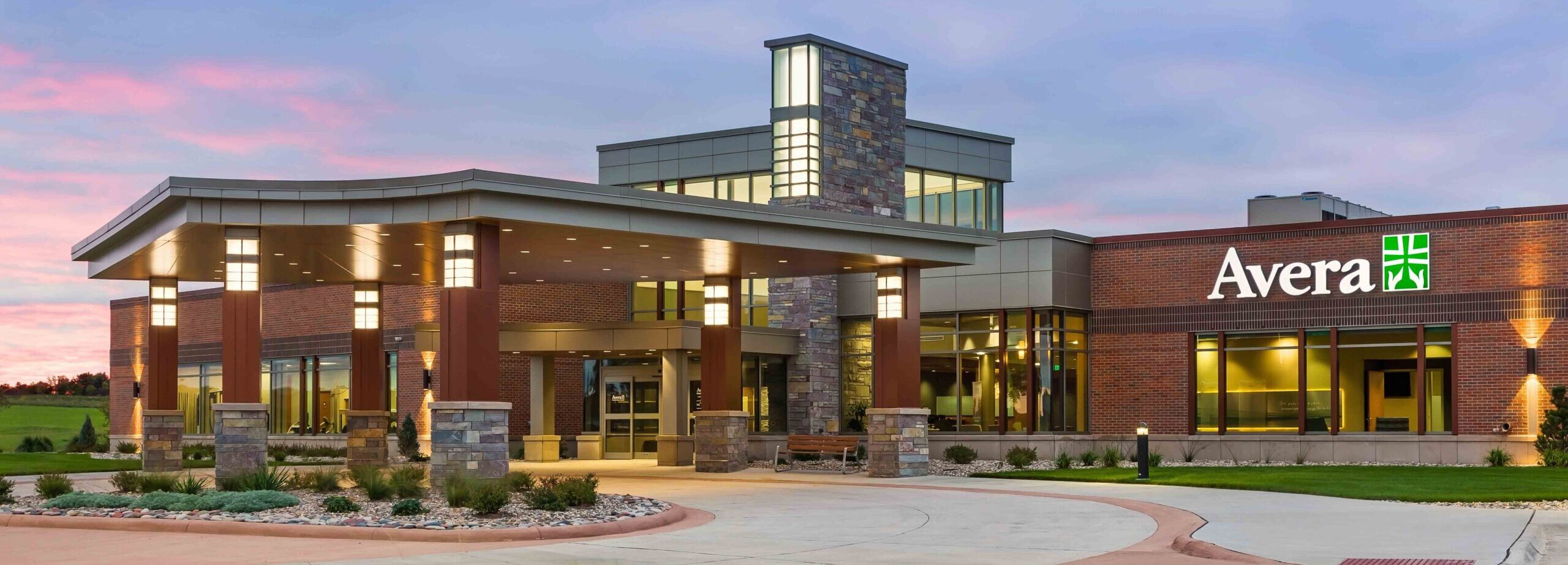
In Rock Rapids, Iowa, Journey served as construction manager for the replacement Merrill Pioneer Community Hospital, guiding the delivery of a new critical access hospital during a period of organizational transition. The project required extensive planning and coordination while creating a healthcare environment intentionally designed around both clinical needs and the patient experience.
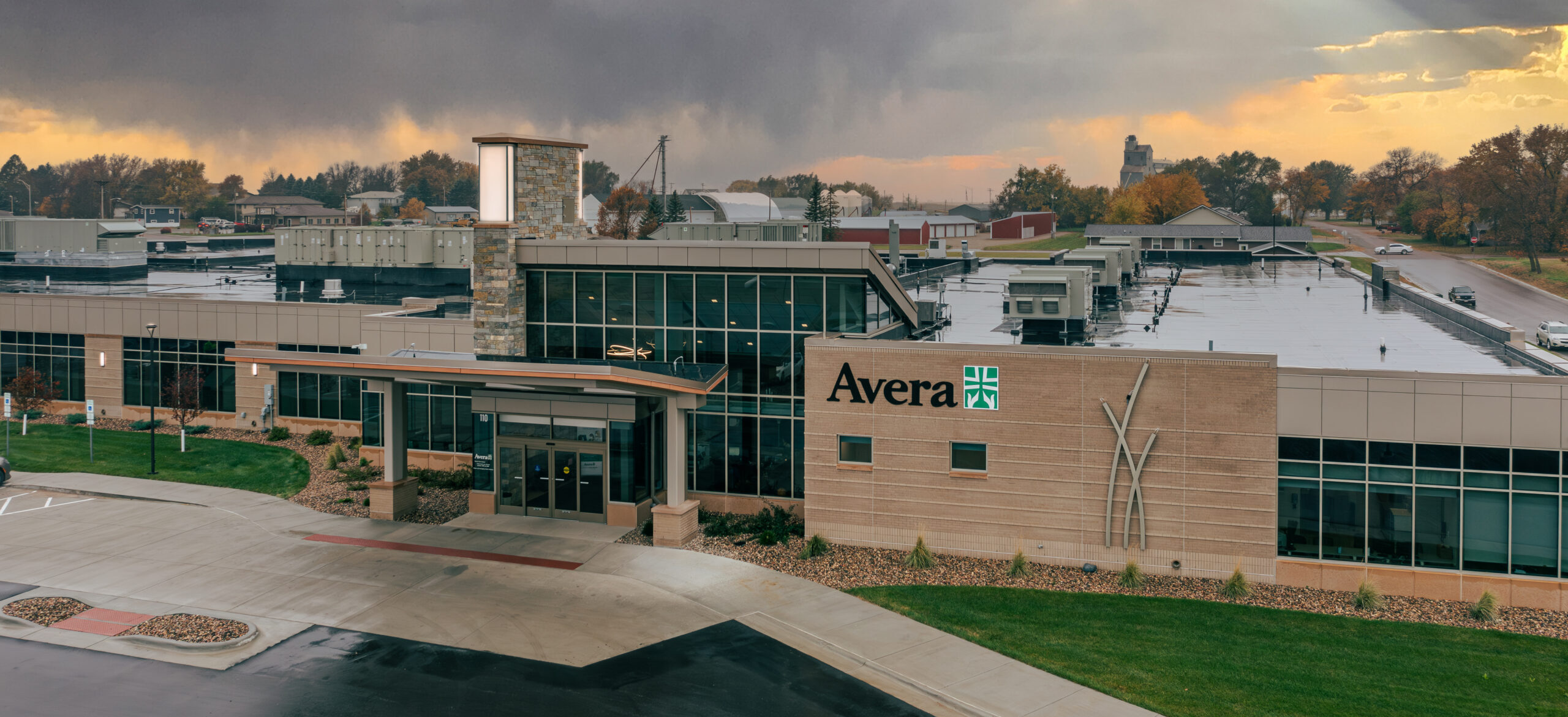
In Gregory, South Dakota, Journey helped deliver Avera Gregory Hospital and Nursing Home, a facility that brought acute care, emergency services, diagnostic imaging, surgical services, long-term care, and other community healthcare resources together under one roof. The project also required significant coordination to relocate and integrate equipment from existing facilities while maintaining an aggressive construction schedule.
Together, these projects demonstrate the breadth of Journey’s healthcare experience and the adaptability required for rural healthcare construction. While the facilities differ in size, scope, and purpose, they reflect a consistent approach: understanding each organization’s operational needs, planning for long-term success, and creating environments that serve patients, caregivers, and communities for years to come.
Reducing Complexity for Healthcare Leaders
Facility projects are often among the largest investments a healthcare organization will make. For rural hospitals in particular, those projects may be managed by lean leadership teams that do not have extensive internal construction resources.
Journey sees its role as going beyond construction.
The company works with healthcare organizations throughout the process to develop detailed phasing and sequencing plans, maintain operations, coordinate infrastructure transitions, manage project logistics, establish budget confidence and anticipate procurement and scheduling challenges.
Brent Smith, VP of Operations at Journey Construction, describes the company’s approach.
“We allow healthcare leaders to focus on delivering care while we manage the complexity, risk and disruption of construction.”
That partnership is especially important when construction is taking place within an operating healthcare facility. Maintaining access to essential services while minimizing disruption for patients, staff and providers requires extensive planning and communication.
A Trusted Partner When the Unexpected Happens
Journey’s experience extends beyond planned renovations, expansions and replacement facilities. Healthcare organizations have also turned to Journey during unexpected events that threatened their ability to deliver care.
When a hospital in O’Neill, Nebraska, experienced a devastating explosion, Journey was called upon to help support rebuilding efforts. Similarly, following tornado damage to a behavioral health facility in Sioux Falls, healthcare leaders turned to Journey to help navigate the path forward.
While these situations differ significantly from a planned capital project, they reinforce an important aspect of healthcare construction: healthcare organizations need partners they can trust when challenges arise. Whether responding to an emergency, planning a renovation or developing a replacement facility, Journey’s role remains the same, helping healthcare organizations navigate complexity while remaining focused on serving patients and communities.
Understanding Rural Healthcare and Rural Communities
Journey’s roots date back to 1910, giving the company a long history of working in the communities it serves. That experience, combined with specialized healthcare construction expertise, is particularly valuable when working with rural hospitals and critical access hospitals.
Rural healthcare projects bring unique considerations. Labor availability, subcontractor resources, long-lead equipment, limited capital resources and maintaining access to local care can all influence how a project is planned and delivered.
At the same time, the impact of a healthcare facility investment extends well beyond the building itself. Modernized facilities can help support workforce recruitment and retention, improve patient and staff experience, strengthen service delivery and position an organization to meet future community needs.
Successful rural healthcare projects therefore require a partner that understands both construction and the important role healthcare facilities play in their communities.
Tammy Miller, former CEO of Madison Regional Health System, described that partnership following her organization’s experience with Journey:
“We had a great experience with the Journey Group team. They provided leadership throughout the entire project. They did such a good job of being there and listening to everything we wanted to do and why, and they kept us within budget.”
Building for What Comes Next
For healthcare organizations considering a renovation, expansion or replacement facility, Journey’s experience reinforces an important lesson: successful projects begin long before construction starts.
Early planning, budgeting, forecasting and procurement can help minimize surprises and provide greater confidence as a project moves forward. Strong communication and proactive decision-making can also reduce the burden placed on healthcare leadership teams.
And success does not end when construction is substantially complete. Commissioning, staff readiness, occupancy and a smooth transition into the new or renovated space are equally important to realizing the long-term value of the investment.
For rural healthcare organizations, every facility investment matters—to the organization, its workforce, its patients and the community it serves.
Journey’s experience in Gettysburg, Gregory and Rock Rapids offers examples of how specialized healthcare construction experience can help rural organizations navigate those investments while continuing to focus on what matters most: providing care.
Mark Burkett, CEO of Platte Health Center Avera, emphasized the importance of maintaining patient care throughout a multi-phase construction project.
“Journey did an excellent job of coordination of said project, keeping it on time and on budget. I particularly commend the job they did coordinating the phases of the project and keeping us fully operational throughout. They were able to minimize disruption to all services, staff, and public.”
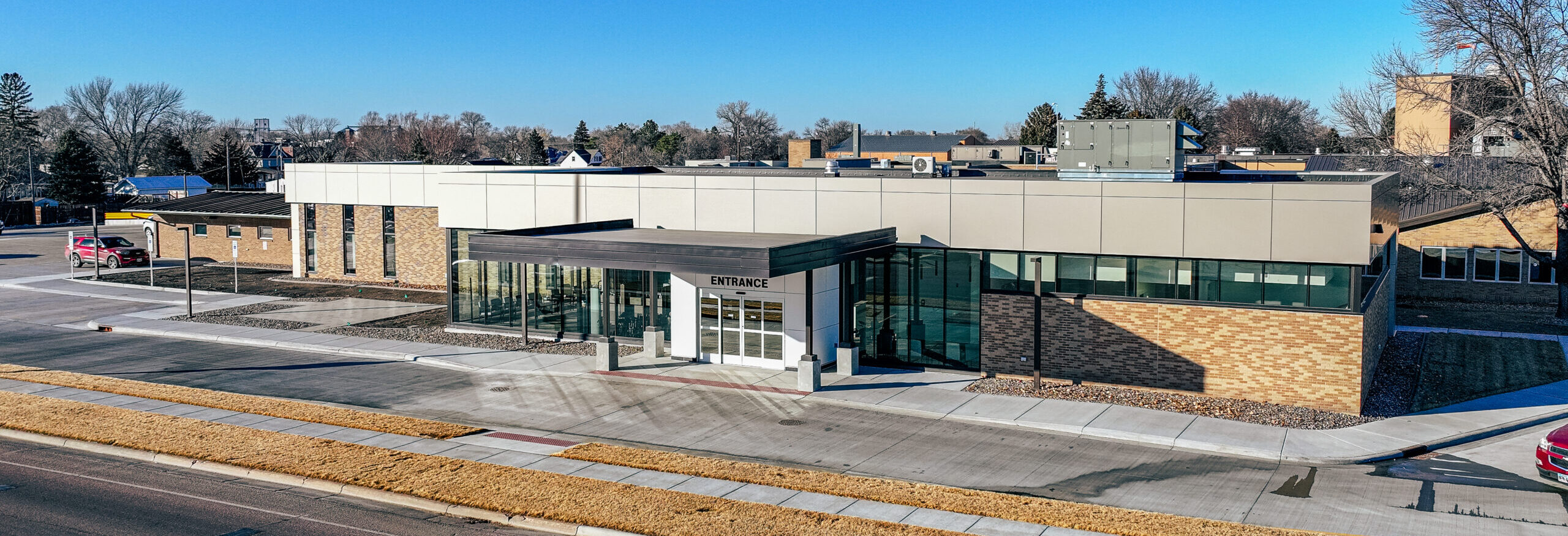
SDAHO is pleased to recognize Journey Construction as a Premium Associate Member and appreciates its continued partnership and support of healthcare organizations across South Dakota and the region.
To learn more about Journey Construction, visit: journeyconstruction.com